

Diplomatic Watch: “Culture Is Not Commerce: Alla Rogers on Art, Identity, and the World Beyond Borders”
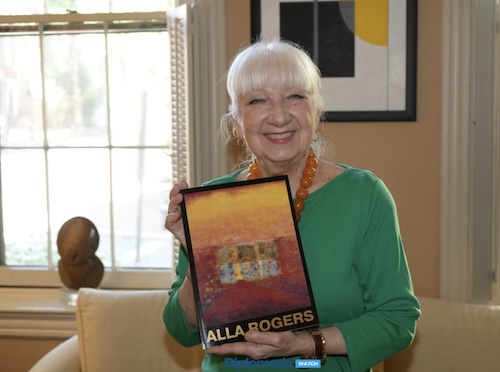
Alla Rogers
Long before cultural diplomacy became a widely used phrase, Alla Rogers was exploring how culture shapes the way people understand one another and the world around them.
Born to Ukrainian parents displaced by the Second World War, Rogers grew up across three continents and developed an early awareness of the complexities of identity, belonging, and cultural memory. Those experiences inspired a lifelong curiosity that would later find expression through her work as a gallery owner, curator, writer, artist, and advocate for international cultural exchange.
For more than three decades, Rogers has connected artists, diplomats, policymakers, journalists, and members of the public through exhibitions, cultural programs, and dialogue. Yet her perspective on culture extends beyond its ability to bring people together. She recognizes both its power and its contradictions. Nations often promote their cultural achievements abroad while restricting artistic expression at home. Governments change, policies shift, and political priorities evolve. Culture, however, remains one of the most enduring ways people encounter one another beyond official narratives and institutional agendas.
Her work has unfolded alongside some of the defining developments of the modern era, from the end of the Cold War and the rise of globalization to the digital transformation of society and the renewed struggle for Ukraine’s sovereignty. Throughout these changes, she has remained committed to people-to-people engagement as a pathway to greater understanding.
oday, as she develops a multimedia literary project inspired by the human experiences surrounding Ukraine and joins Diplomatic Watch Magazine as a columnist and contributor, Rogers continues to examine the questions that have guided much of her life: What does it mean to belong? How do cultures endure? And how do we preserve human connection in an age increasingly shaped by screens, distance, and rapid change?
In this conversation with Diplomatic Watch Magazine, Rogers discussed about the experiences that shaped her worldview, the evolution of cultural diplomacy, the changing role of artists and cultural institutions, and the ideas that continue to inform her work.
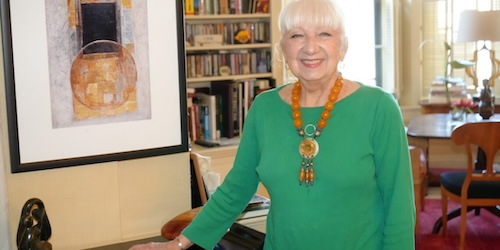 Diplomatic Watch: You have been a gallery owner, curator, writer, cultural advocate, and participant in Washington’s diplomatic and international community for many years. Looking back, what experiences most shaped your journey, and how did they influence the way you view the relationship between art, culture, and international affairs?
Alla Rogers: A big question, but the answer really begins with my origins early in life. In my childhood, we were displaced refugees trying to find our way in the world. At sixteen months old, we emigrated from Germany to Australia.
On that journey, I began seeing the planet through a child’s eyes. I realized the world was a big, magical place. The seeds of awareness were planted early. I understood that I had a culture from which I was separated and that I lived in foreign cultures all my life, yet belonged to the unique culture of my parents.
Had I been born in Ukraine, that culture would have continued through me and my life there. The seeds of a global perspective were planted early, and I saw the world through a very wide lens.
When we later emigrated from Australia to the United States, I understood that the world was a very big place. Leaving a very Anglo, white Australia and landing first in Singapore, seeing women in saris with jewels on their foreheads, and encountering different cultures at the age of seven, when one begins to reason and understand the world, felt magical and incredible. I think that experience made me curious about the world.
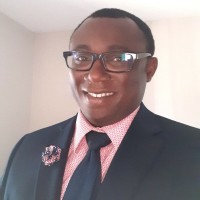
Victor Gotevbe, publisher, Diplomatic Watch
Diplomatic Watch: Your Ukrainian heritage has remained an enduring part of your identity. How has that background influenced your work, and what do you believe the world still misunderstands about the role culture plays in preserving a nation’s identity, particularly during times of conflict and change?
Alla: My career path was informed by my Ukrainian identity. It started with curiosity and information shared by people within and outside my family. Eventually, it led to formal education. I attended university and graduate school, followed by self-education and a continuing curiosity about everything I could investigate on my own.
All of that ultimately determined that the calling of my heart, mind, and training was to open a gallery, to be an advocate for culture, and to bring people together.
From there, my work evolved beyond simply bringing people together socially. It became about educating, informing, and giving people a taste of the joy of discovery when they encounter the diversity of this world.
One thing we do not fully understand is that art and culture are living, dynamic engagements. They require human interaction. They lead to change and greater understanding.
I feel that art and culture are enormously powerful platforms for peacebuilding and education, not necessarily in the formal sense, but in helping people know more about themselves and the world.
Diplomatic Watch: Through your gallery, exhibitions, and cultural initiatives, you have brought together artists, diplomats, policymakers, and members of the public. What have these experiences taught you about cultural diplomacy, and are there moments that convinced you art can accomplish things that traditional diplomacy sometimes cannot?
This is a very interesting subject.
Cultural diplomacy, as conducted by nations, is a formal activity with a specific intention. It seeks to present a picture of a nation’s culture in a positive way that will be understood by other countries. It also operates within the context of a political agenda shaped by the government of the day.
Governments change, and policies change. Therefore, you cannot make a blanket statement about cultural diplomacy as an absolute fountainhead of good, because it is also used as an instrument of public opinion. There is an intention to create a positive response toward a country.
Some countries possess tremendously rich cultures and actively promote them. Yet, at the same time, those same countries may persecute their own artists and creatives, imprisoning people whose work presents perspectives the government does not want the world to see.
There is an inherent contradiction in that. A country may possess a deep and rich culture, but its policies toward its own people may tell a different story.